Lightweight Champion: Flexible Packaging for Efficient & Sustainable Shipping
Jun 11,2024 | KaLee Polybags
What Is Flexible Packaging?
Flexible packaging is a type of packaging made from non-rigid materials that can easily conform to the shape of the product it contains. It's a popular choice across many industries due to its versatility, cost-effectiveness, and convenience.
Here are some key characteristics of flexible packaging:
- Materials: Made from a variety of flexible materials like plastic films, foil laminates, and paper.
- Shapes: Comes in a wide range of shapes and styles, including pouches, bags, wraps, rolls, and more.
- Benefits: Offers several advantages like:
- Cost-effective: Generally, less expensive than rigid packaging like boxes or tins.
- Lightweight: Reduces transportation costs and environmental impact.
- Versatility: Can be customized in terms of size, shape, and features to suit various products.
- Durable: Many flexible packaging options provide excellent protection for products.
- Convenience: Often comes with resealable closures or easy-open features.
- Sustainability: Many manufacturers offer eco-friendly options made from recycled materials or compostable film.
Exmaples of Flexible Packaging:
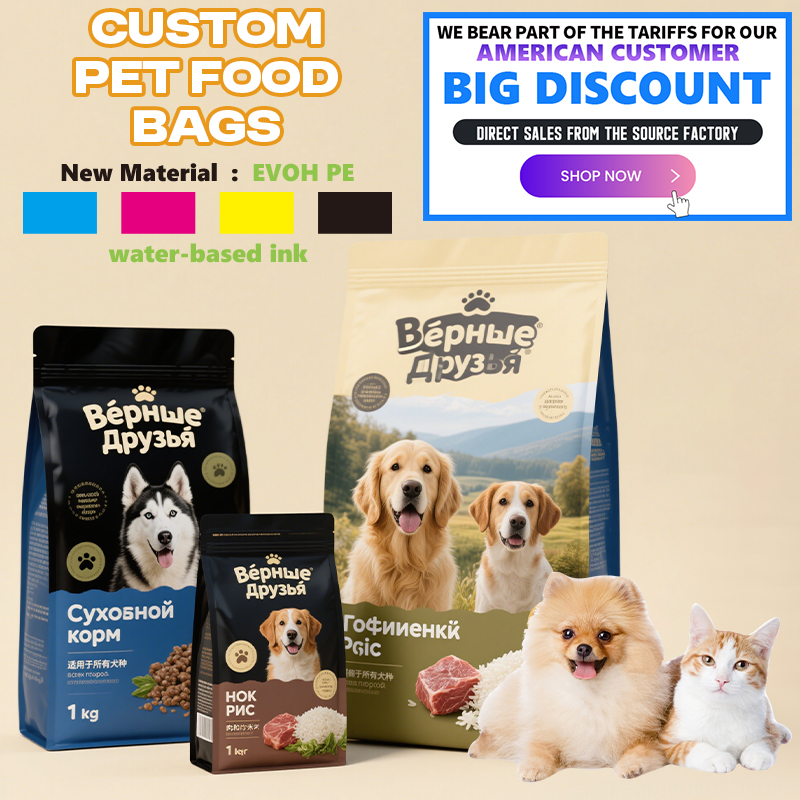
- Stand-up pouches for coffee, snacks, and pet food
- Pillow pouches for liquids and pastes
- Gusseted pouches for bulkier items
- Flat pouches for cookies or candy
- Spout pouches for baby food or sauces
Flexible packaging is a constantly evolving industry, with new innovations and sustainable materials emerging all the time. It's a valuable tool for businesses looking for cost-effective and efficient ways to package their products.
What Sets Flexi Packaging Apart from Traditional Packaging?
Traditional packaging, typically referring to rigid options like cardboard boxes, glass jars, or metal tins, has served its purpose for centuries. However, flexible packaging has emerged as a strong contender, offering several key advantages:
Versatility and Customization:
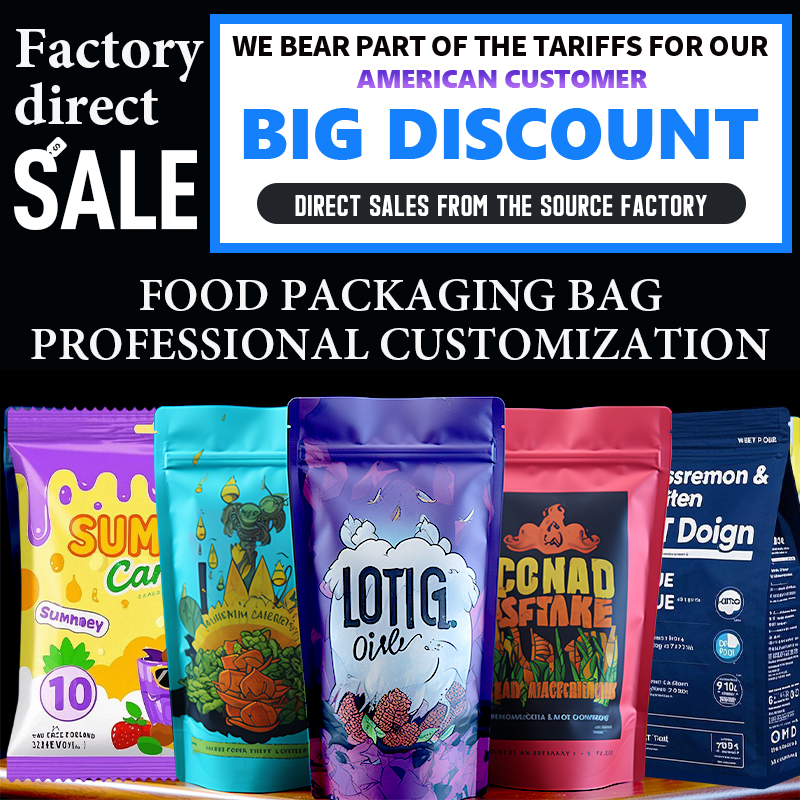
- Flexible Forms: Flexible packaging comes in a vast array of shapes and sizes, from stand-up pouches to gusseted bags, adapting perfectly to different product needs. This allows for creative and efficient utilization of space. Traditional packaging often has a more limited range of shapes.
- Branding Potential: The flexible nature of the materials allows for high-quality printing and eye-catching graphics, creating a mobile billboard for your brand. Traditional packaging might require additional inserts or labels for branding.
Cost and Efficiency:
- Lightweight Champion: Flexible packaging is significantly lighter than its rigid counterparts, reducing transportation costs, storage space needs, and the overall environmental impact. Heavy traditional packaging can be expensive to ship.
- Material Savings: Flexible packaging often uses less material compared to traditional options, making it a more cost-effective choice. Cardboard boxes, for example, require more material to provide the same level of protection.
Convenience and Functionality:
- User-Friendly Features: Flexible packaging often incorporates resealable closures, easy-tear notches, or innovative dispensing options like spouts, enhancing convenience for consumers. Traditional packaging may require additional tools to open or reclose.
- Space-Saving Storage: Flexible pouches can be flattened or stacked efficiently, maximizing storage space in warehouses and retail settings. Traditional boxes often have a fixed shape that can be less space efficient.
Sustainability Considerations:
- Material Innovation: The flexible packaging industry is increasingly focused on eco-friendly materials. Options include recycled content, compostable films, and bioplastics derived from renewable resources. Traditional packaging may have limited eco-friendly options.
However, it's important to acknowledge that traditional packaging still has its place:
- Heavy-Duty Protection: For very fragile or heavy items, rigid packaging might offer superior protection during transport and storage.
- Premium Perception: Glass jars or metal tins can sometimes convey a more premium image for certain products.
Ultimately, the best choice depends on your specific product needs, brand identity, and sustainability goals. But the versatility, convenience, and eco-friendly advancements of flexible packaging are making it a compelling alternative in today's market.
Comment